

Carbon Neutral
Carbon Neutral
What is carbon neutrality and how can you offset your carbon emissions
home > carbon | energy efficiency
Whenever you use gas or electricity, drive, take a train, or fly etc, carbon dioxide (amongst other things) is released into the atmosphere. This greenhouse gas is believed to be responsible in part for global warming and other harmful climate change. To be Carbon Neutral means to live in such a way that the amount of carbon for which you are responsible is offset in some way.
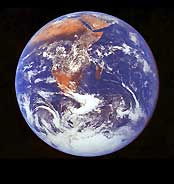
Everyone has a Carbon Footprint. First of all you need to work out the size of your carbon footprint (carrying out a personal energy audit), and try and reduce it as much as possible, for example saving electricity, and driving efficiently. Buy an Energy / Power meter to calculate how much energy your appliances and electric devices are using and try and find way to cut down.
Once you have reduced your energy consumption you need to find a way to arrive at carbon neutrality through offsetting. For example, if you take a short haul flight, you are responsible for 0.5 tonnes of carbon dioxide released into the upper atmosphere. One tree grown to full maturity will absorb over 1 tonne of carbon dioxide, so if you plant a tree in your garden it will offset your CO2 emissions from your flight.
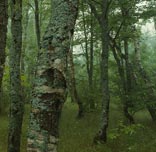
Planting trees in your garden is not a very practical option for most people, but there are alternatives. For example you can donate money to an alternative energy project. Your cash will typically be spent on solar and wind power projects which will generate clean electricity and reduce the amount of fossil fuels burnt thereby offsetting your carbon dioxide usage. Or you can donate money to a fund which supports existing woodland protecting it from being cut down and turned into agricultural/building land, and the trees you protect will continue to absorb carbon dioxide.
All of these methods of offsetting have the added benefit of keeping native wildlife protected in its natural habitat, offering new habitats for wildlife, and improving the world in which we live.
 Article Last Modified: 15:19, 18th Jan 2007
Comment on this Article
If you have any comments on this article, please email them to neil@reuk.co.uk.Related Articles
Click one of the links below for further articles on the following relevant topics:carbon, energy efficiency.