Every year electricity gets more and more expensive. Read on to find out how you can save electricity and money with this handy selection of energy saving tips.
Electricity Usage Monitors
The basic figures contained within a monthly or quarterly electricity bill do not give you much information as to where your electricity is going – they just tell you how much you have used in total during that period. Therefore it is well worth considering purchasing an electricity usage monitor and using it to see exactly where all your hard-earned money is going.
One great way to find out how much electricity each of your household appliances and electronic devices uses is with a Power/Energy Meter (pictured above) available from the REUK Shop.
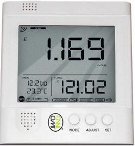
Alternatively consider investing in one of the latest wireless energy monitors which show you exactly how much money your total home or office electricity usage is costing you – in real time. For example:Owl CM160 (pictured above). These meters can help you reduce your electricity consumption by as much as 20% simply by showing you what you are using.
Saving Electricity Tips
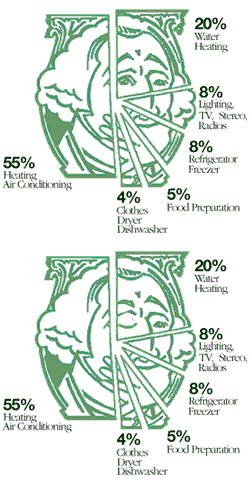
The biggest electricity users in the home tend to be heating and/or air conditioning, water heating, washing machines, tumble dryers, dishwashers, lighting, and the refrigerator. When looking to save electricity, spend the most time focussing on these big energy hogs to get the biggest effect for your efforts.
Here are a selection of tips to help you to reduce your electricity consumption:
1. Turn off your television, video, hifi, playstation, and other entertainment devices when they are not being used.
2. Do not leave your television etc in standby mode. Devices can use up to 90% as much power in standby mode as when they are on, so it is a serious waste of energy when a device is left constantly on standby. If you keep forgetting, consider purchasing a PowerSafer – a device which automatically cuts power to appliances when they go into standby mode.
3. Replace all of your inefficient incandescent light bulbs with energy efficient CFL bulbs. Replacehalogen spotlights with much more efficient and longer lasting LED Spotlights.
4. Hang your clothes out to dry rather than using an electric tumble dryer. Ideally use a spin dryerbefore using the tumble dryer.
5. Cook many items at the same time when your electric oven is hot.
6. Use a microwave to reheat food or to cook small portions. Although a microwave uses a lot of power, it does so over a very short time and so saves energy overall.
7. Turn down your heating system thermostat. For every degree you lower your heat between 60° and 70° F you can reduce your heating bill by up to 5%. Wear an extra layer of clothing in the house so that you stay warm. Turn down individual radiators – for example, 16°-18° is warm enough for bedrooms whereas 20°-22°C is more comfortable in bathrooms. Rooms that are rarely used can have their heating turned all the way down or off.
8. Purchase energy efficient white goods (washing machines, tumble driers, fridges etc). Although they usually cost a little more initially, the cost savings in electricity will cover that many times over. As an added benefit, efficient items are usually better made and last longer than inefficient models.
9. Vacuum clean the condenser coils at the back or underneath your fridge freezer. Accumulated dust reduces their efficiency by up to 25% adding that cost to your electricity bill.
10. Keep your fridge full, but not so full that air cannot circulate properly.
11. Fold clothes straight out of the tumble drier while they are still warm to save on ironing.
12. Cool cooked food before you put it into the fridge.
13. Do not put uncovered liquids into the fridge. Their evaporation will make the fridge have to work harder.
14. Heat only as much water as you require for drinks and cooking. If you keep forgetting, purchase anenergy efficient eco kettle.
15. Use a convection oven. A small fan inside circulates hot air throughout the oven cutting cooking times by up to 30%.
16. Don’t preheat the oven for roasting.
17. Don’t keep opening the oven door. Every time you do so, your oven loses 20°C of heat.
18. Put lamps in the corner of a room so that the light is reflected off two walls.
19. Turn down the temperature on your washing machine. Heating the water uses the majority of the electricity, so by doing a warm wash instead of a hot wash, big savings are possible. See Wash Most Clothes at 30 Degrees.
20. Defrost frozen food in the fridge since this helps to cool the fridge.
21. Running a full load in an efficient dishwasher will use less hot water than washing up by hand in the sink! Save money, save time, and save electricity.
22. Boil water in a kettle rather than on a hob to save 50-70% of the energy and to get your water boiled faster.
23. In the summer use ceiling fans on a fast setting instead of air conditioning to keep cool. In the winter, running the fans slowly will push warm air collected at ceiling height down to where you want it. (If the slowest setting on your fan is too strong, reverse the direction of the fan in the winter so that the accumulated warm air is blown up against the ceiling and bounces more gently down around the walls and into the living space.
24. Use the recommended depth of loft insulation, and consider cavity wall insulation or external solid wall insulation for which grants are available.
25. Turn off the lights when you leave a room.
26. Separate items when moving them from the washing machine to the tumble dryer. When everything is tangled up together in a lump the drying cycle takes longer using more electricity.
27. Keep your freezer full. A full freezer uses less electricity than an empty or partially full freezer.
28. Defrost your fridge and freezer regularly.
29. Keep the contents of your fridge and freezer tidy so that you can find what you want quickly and not leave the door open for a long time.
30. Use the smallest pot you can to heat food, and keep the lid on to speed up heating and use less power.
31. Fan ovens use less power than non-fan ovens, and pressure cookers use 25% less power.
32. Turn off kitchen and bathroom extractor fans as quickly as possible in the winter since they are sucking the expensively heated air out of the house.
33. Close curtains and blinds before it gets dark (and cold) outside. Make sure they are open in rooms which face the morning sun so that rooms can be heated by solar power.
34. Seal leaks around windows and doors to reduce cold draughts and lower heating bills.
35. Thaw frozen foods before cooking.
36. Iron clothes in a large batch rather than piecemeal.