Jatropha is seen by many to be the perfect biodiesel crop. It can be grown in very poor soils actually generating top soil as it goes, is drought and pest resilient, and it has seeds with up to 40% oil content.
Here are some facts and figures about Jatropha relating to its growth as an oil product:
– Jatropha grows well on low fertility soils however increased yields can be obtained using a fertilizer containing small amounts of magnesium, sulphur, and calcium.
– Jatropha can be intercropped with many cash crops such as coffee, sugar, fruits and vegetables with the Jatropha offering both fertilizer and protection against livestock.
– Jatropha needs at least 600mm of rain annually to thrive however it can survive three years of drought by dropping its leaves.
– Jatropha is excellent at preventing soil erosion, and the leaves it drops act as a wonderful soil enriching mulch.
– Jatropha prefers alkaline soils.
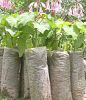
– The cost of 1000 jatropha saplings (enough for one acre) in Pakistan is around 5000PKR (equiv to around £50 or just 5p each).
– The cost of 1kg of jatropha seeds in India is 6 Rupees (equiv to around £0.07).
– Each jatropha seedling should be given a 2m x 2m area to grow into.
– 20% of seedlings planted will not survive.
– Jatropha seedlings yield seeds in the first year after plantation.
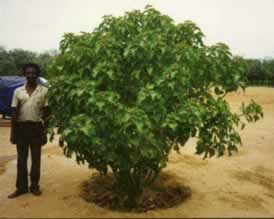
– After the first five years, the typical annual yield of a jatropha tree is 3.5kg of beans.
– Jatropha trees are productive for up to 30-40 years.
– 2,200 trees can be planted per hectare (approx 1,000 per acre).
– 1 hectare should yield around 7 tonnes of seeds per year.
– The oil pressed from 4kg of seeds is needed to make 1 litre of biodiesel.
– 91%+ of the oil can be extracted with cold pressing.
– 1 hectare should yield around 2.2-2.7 tonnes of oil.
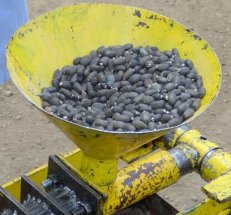
– Press cake (seedcake) is left after the oil is pressed from the seeds. This can be composted and used as a high grade nitrogen rich organic fertilizer (green manure). The remaining oil can be used to make skin friendly soap.
– One job is created for each 4 hectares of jatropha plantation.
– The average Indian agricultural worker earns less than $40 per month.
– Biodiesel costs around 16-20p per litre to grow and refine in India.
– Glycerol, a biproduct of biodiesel refinement, can be sold in India for around 45-70p per kilogram.
– One hectare of jatropha plantation yields 25,000 Rupees / year (around £300) in India.
The following stats come from D1 Oils – the UK’s biggest biodiesel company:
– Crushing 1 tonne of Jatropha seeds costs around $40 (£23).
– 1 tonne of seedcake (the leftovers after pressing) can be sold for $100 (£55).
– The transport costs of shipping 1 tonne of jatropha from India to Northern Europe is $100 (£55).
– The landed cost of 1 tonne of jatropha oil to Northern Europe is between $348 and $500 for oil contents of 29% to 40% (£180 to £260).- Refining jatropha oil into biodiesel costs less than $125 (£65) per tonne.
– Filtered jatropha oil can be used as is in many diesel vehicles (as SVO) with only small modifications required to the engine.
– Jatropha oil can be used as a kerosene substitute for heating and lamps.
– Jatropha oil burns with a clear smokeless flame.
Buy Jatropha Curcas Seeds

If you are interested in trying to grow your own Jatropha plants, you’ll need some seeds. These can most easily be purchased from countries such as Malaysia and Brazil via eBay UK (or eBay USA. Click here to search eBay UK now for Jatropha (or here to search eBay USA for Jatropha).
At the time of writing 5000 high yield jatropha curcas seeds are available from Malaysia for around £80, and 1000 for from £16 to £21 from Malaysia and Brazil. Seeds are also available in much smaller quantities for just £2+.