A Rainwater Diverter is a simple device used to direct rainwater collected by guttering into a water buttor storage tank for later use in the garden, for toilet flushing, car-washing, and much more.
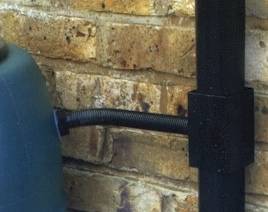
Inserted into a downpipe (the pipe which connects roof mounted guttering to the drains), a rainwater diverter takes minutes to fit by anyone with even the most basic of DIY skills, and it will provide freeclean water which is far better for the garden than cold chlorine-treated tap water. Using a rainwater diverter will save anyone on metered water money, and more importantly will save water at a time when water-shortages and hosepipe bans are becoming more common.
Choosing a Rainwater Diverter
Many different rainwater diverters are available today both online and at garden centres and other suppliers. Prices range from around £10 to many hundreds of pounds for the more advanced diverters with installed filtration and first flush systems.
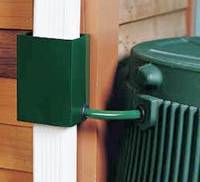
The most important consideration is that the water butt or other storage vessel does not overflow. If positioned next to the wall of a house, a large concentration of water overflowing onto the ground could cause damp problems and structural damage. Therefore the rainwater diverter must automatically direct rainwater down the drain when the water butt is full. Alternatively an overflow pipe can be added at the top of the water butt which will send excess water down the drain, but this is more complicated and expensive to implement.
Buying a Rainwater Diverter
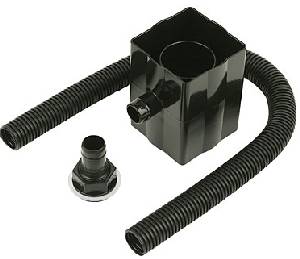
In our own REUK trials we have found the above pictured rainwater diverter to work well and it is great value for money. Therefore it is now available for sale in the REUK Shop: Rainwater Diverter Kit for just£8.99.
This cleverly designed rainwater diverter can be used with either of the most common sizes of plastic downpipe – 68mm round, and 65mm square. 50cm of flexible hose and a universal connector. Collected water can be sent directly into a water butt or through a length of standard hosepipe. When the water butt is full, water coming down the downpipe will continue down to the drains.
Installation is simply a matter of cutting through the downpipe at the desired height (with a hacksaw) and then linking the two pieces of downpipe together through the rainwater diverter.